
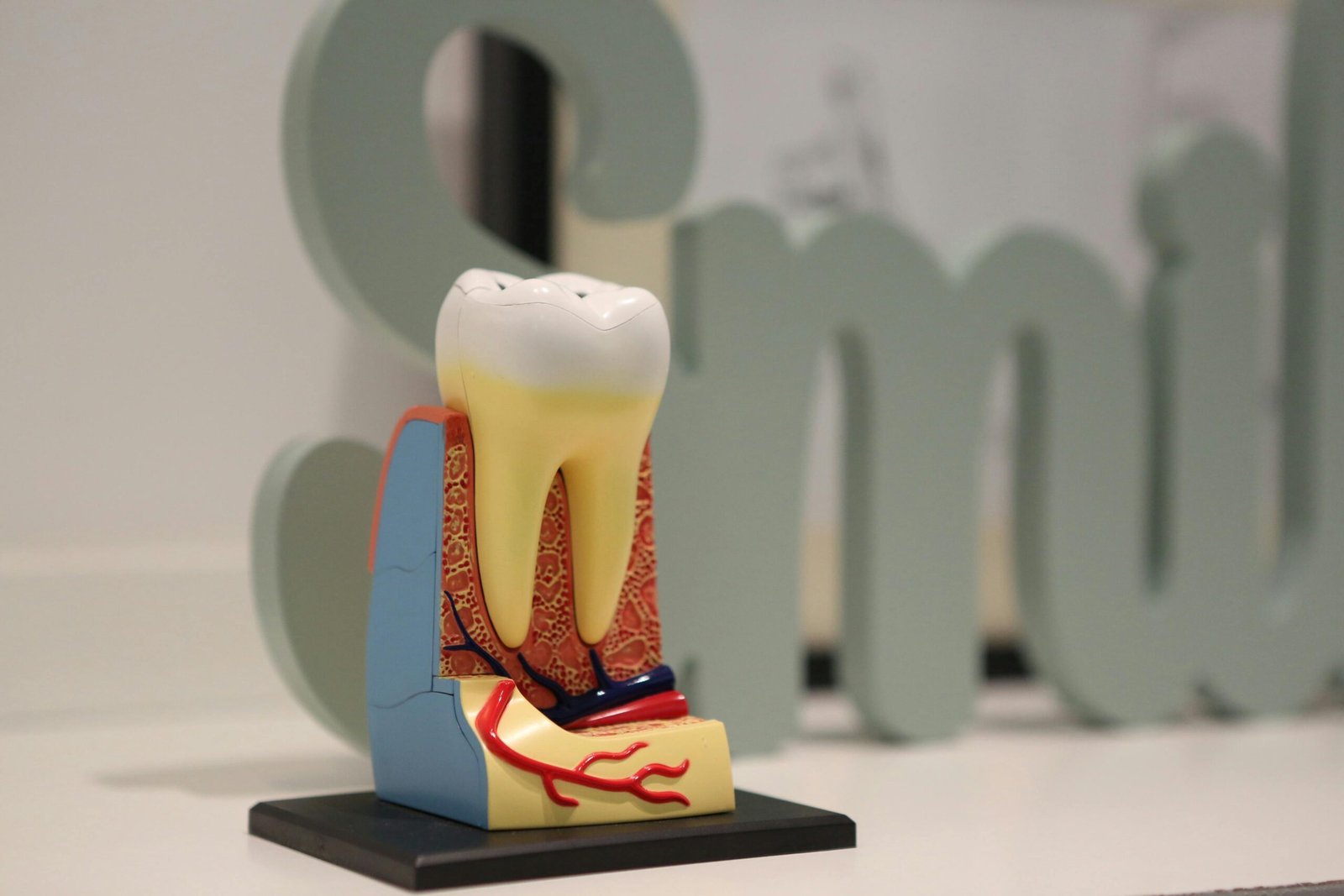
Root Canal Treatment
Conyers, GA
Root canals have a reputation for being something to dread — but the truth is that modern root canal treatment is a routine procedure that relieves pain rather than causes it. When the inner pulp of a tooth becomes infected or inflamed due to deep decay, a crack, or trauma, a root canal removes the damaged tissue, cleans and seals the inside of the tooth, and saves it from extraction. Most patients are surprised to find that the procedure itself feels very similar to getting a filling. Saving your natural tooth is almost always the preferred option — it maintains your bite, preserves surrounding bone, and avoids the need for more involved tooth replacement options down the road. At our Conyers dental office, we perform root canal treatment with a focus on keeping you comfortable and informed every step of the way. If you’ve been putting off treatment because of anxiety or fear, we encourage you to come in and talk with us — relief is closer than you think.
Saves Your Natural Tooth
Root canal treatment preserves your tooth so you can avoid extraction and replacement.
Preserves Your Bite & Bone
Keeping your natural tooth maintains the surrounding bone and prevents neighboring teeth from shifting.
Don't Wait on Tooth Pain
A toothache that lingers is often a sign of infection – early treatment leads to better outcomes.
Root Canal Treatment FAQ's
What is a root canal?
A root canal is a procedure that removes infected or inflamed tissue from inside a tooth, cleans and disinfects the inner canals, and seals the tooth to prevent reinfection. It allows you to keep your natural tooth rather than having it extracted.
How do I know if I need a root canal?
Common signs include a persistent or severe toothache, prolonged sensitivity to heat or cold, darkening of the tooth, swelling or tenderness in the nearby gums, or a recurring pimple on the gum. That said, some infections cause no symptoms at all – which is another reason regular exams are important.
What causes a tooth to need a root canal?
The most common causes are deep decay that has reached the inner pulp, a cracked or fractured tooth, or trauma to the tooth. Repeated dental procedures on the same tooth can also sometimes irritate the pulp over time.
Does a root canal hurt?
The procedure is performed under local anesthesia, so most patients feel little to no discomfort during treatment. In fact, the pain relief that follows is often significant – most people feel much better once the infected tissue has been removed.
What happens after a root canal?
After treatment, a crown is typically placed over the tooth to protect and strengthen it for long-term use. Some mild soreness in the days following is normal and usually manageable with over-the-counter pain relievers.